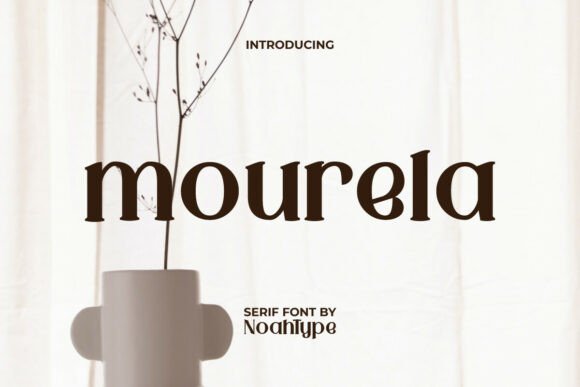
History Book: A Serif Font with Storytelling Charm
When redesigning a lifestyle blog, the choice of font can feel like selecting the right mood for a story. After testing several options, I found that History Book offered a unique blend of elegance and whimsy that perfectly complemented the tone of the content. This serif typeface has a playful yet refined character that adds personality without overwhelming the reader.
History Book’s visual rhythm is soft and inviting, with subtle flourishes that suggest a handwritten touch. The letterforms have a gentle curve, making them feel approachable and warm. This makes it ideal for projects that aim to evoke nostalgia or a sense of personal connection. Whether used in a blog header or a printable guide, the font brings a sense of charm that feels both modern and timeless.
As an editorial designer, I often look for fonts that can support different levels of hierarchy. History Book works well as a display font for titles and headings, where its distinctive style can shine. It also pairs beautifully with more neutral body fonts, creating a balanced layout that guides the reader through the content with ease.
In a recipe ebook, for example, using History Book for chapter titles adds a touch of sophistication that complements the culinary theme. The font’s subtle details make it feel like part of a curated experience, enhancing the overall aesthetic without distracting from the instructions. Similarly, in a wedding guide, the font can be used for section headers, giving each part of the planning process a sense of occasion and care.
One of the strengths of History Book is its versatility across different mediums. On a digital magazine layout, it can be used for pull quotes or featured sections, drawing attention while maintaining readability. In print materials, such as a coaching workbook or a printable planner, the font adds a personal touch that makes the content feel more engaging and intentional.
Readability is a key consideration when choosing a font, especially for long-form content. While History Book is not designed for extended reading, its legibility at smaller sizes makes it suitable for short blocks of text, such as captions or side notes. When paired with a clean sans serif font for body copy, it creates a harmonious balance that supports both visual appeal and functional clarity.
For newsletter graphics or social media posts, History Book can be used as a decorative element, adding a layer of personality to headlines or callout text. Its soft curves and expressive shapes make it ideal for creative projects that aim to stand out while maintaining a cohesive brand identity.
When considering font pairing, it’s important to think about how different typefaces interact. History Book pairs well with other serif fonts for a classic look, or with sans serif fonts for a more contemporary feel. For instance, combining it with a modern serif font like Georgia or Caslon can create a sophisticated contrast, while pairing it with a clean sans serif like Lato or Open Sans can provide a fresh, minimalist edge.
Before incorporating History Book into a project, it’s wise to review the available styles, weights, and language support. Ensuring that the font includes all necessary alternates and ligatures can enhance its usability in different design contexts. Checking the file formats and commercial licensing is also essential, especially for projects that will be distributed as ebooks, templates, or digital downloads.
Whether you’re designing a blog header, an ebook cover, or a printable guide, History Book offers a unique way to express creativity through typography. Its ability to add character while maintaining readability makes it a valuable addition to any designer’s toolkit. By thoughtfully integrating this font into your layouts, you can elevate the overall reading experience and create a more engaging connection with your audience.
As the digital landscape continues to evolve, the role of typography in shaping user experience becomes increasingly important. Fonts like History Book remind us that even small design choices can have a big impact. By selecting a typeface that aligns with the tone and purpose of your content, you can create a more immersive and memorable experience for your readers.
Ultimately, the goal of any editorial project is to communicate effectively while leaving a lasting impression. With its charming personality and versatile application, History Book offers a compelling way to achieve that goal. Whether you’re working on a lifestyle blog, a recipe ebook, or a wedding guide, this font can help bring your vision to life with style and grace.